
 See Our Latest Article on HelloNation
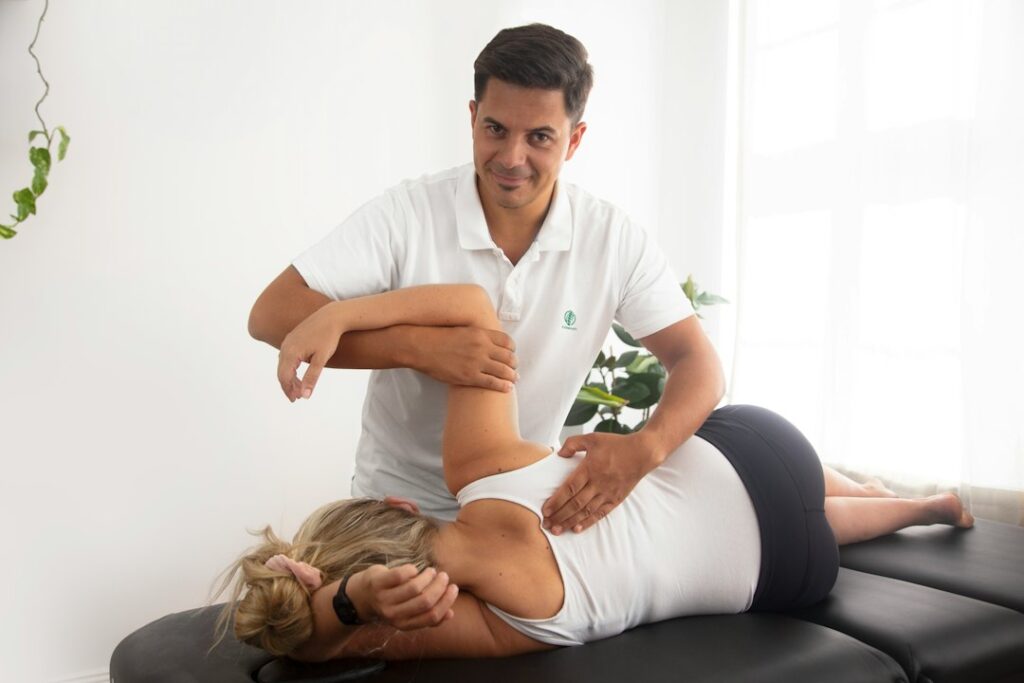
A chiropractic appointment is usually easier and more useful when the practitioner has a clear picture of your symptoms, health history, daily activities, and goals. A few simple preparations can help the visit focus on what matters most, whether you are dealing with back discomfort, neck stiffness, a recent strain, or difficulty moving normally.
What should you do before a chiropractic appointment?
Before visiting a chiropractor in Poughkeepsie, NY, write down your main symptoms, gather relevant health information, and wear clothing that allows comfortable movement. You do not need to perform special stretches, fast, or change your usual routine unless you have been given specific instructions.
Think about the problem in practical terms:
- Where does the discomfort begin, and does it travel elsewhere?
- When did it start?
- Was there a fall, collision, lifting incident, new workout, or repetitive activity?
- What makes it better or worse?
- Is the problem affecting sleep, walking, work, driving, or household tasks?
- Have you noticed numbness, tingling, weakness, balance problems, or changes in coordination?
A short written summary can be helpful, especially if pain makes it difficult to remember details during the visit.
What health information should you bring?
Bring an up-to-date list of prescription medicines, over-the-counter medicines, vitamins, and supplements. Include the dose when known and how often each item is taken.
Also prepare information about:
- Previous injuries, surgeries, or hospitalizations
- Ongoing medical conditions
- Bone, joint, or nerve disorders
- Recent infections or unexplained fever
- Pregnancy or the possibility of pregnancy
- Use of blood-thinning medication
- A history of osteoporosis, cancer, or inflammatory disease
- Prior imaging, such as X-rays, MRI scans, or CT scans
You may not need to bring every medical record. However, copies of relevant reports or a clear description of previous findings can help avoid confusion. If another clinician has given you activity restrictions, bring those instructions or explain them before any hands-on treatment is considered.
What should you wear?
Choose loose, comfortable clothing that permits movement. Athletic pants, flexible trousers, and a comfortable shirt are generally practical choices. Avoid clothing that is very tight, heavily layered, or difficult to move in.
You may be asked to perform simple movements during the examination, such as bending, turning, walking, or raising an arm. Comfortable clothing makes these activities easier to assess.
Remove bulky items from pockets. Jewelry, belts, thick clothing, and accessories may interfere with movement or make certain examination positions uncomfortable. Some visits may involve changing into a gown, but this depends on the setting and the type of examination.
Should you eat before the visit?
Most people can eat normally before a chiropractic appointment. A light or regular meal is usually preferable to arriving very hungry, particularly if pain, anxiety, or prolonged sitting tends to make you feel lightheaded.
Avoid arriving uncomfortably full. If the visit follows work, school, or another activity, drinking water and having a modest snack may be sensible. Fasting is generally not needed unless another medical procedure or separate test requires it.
What happens during the first visit?
The first appointment commonly includes a conversation about your symptoms, a health history, and a physical examination. The examination may assess posture, range of motion, walking, reflexes, strength, sensation, and areas of tenderness.
The practitioner should explain what the findings may mean and whether chiropractic care is appropriate. Treatment may begin during the first or a later visit, depending on the situation. An adjustment is not automatically required, and you can ask questions before agreeing to any technique.
Useful questions include:

- What could be contributing to this problem?
- What will the examination involve?
- Which treatment options are being considered?
- What are the expected benefits and possible side effects?
- Are there movements or treatments that should be avoided?
- What other types of care might be appropriate?
- How will progress be measured?
You should be able to understand the plan in plain language. It is reasonable to pause or decline a treatment if you do not understand it or do not feel comfortable proceeding.
Should you tell the chiropractor about pain medication?
Yes. Explain what you have taken recently, including pain relievers, muscle relaxants, anti-inflammatory medicines, and supplements. Medication can affect symptoms and may also matter when evaluating bleeding risk, alertness, or other health concerns.
Do not stop a prescribed medicine simply because you are seeking chiropractic care. Changes to prescription treatment should be discussed with the clinician who prescribed it.
Are there reasons to delay treatment?
Certain symptoms require medical evaluation before routine chiropractic treatment is considered. Seek prompt medical attention for new loss of bladder or bowel control, numbness around the inner thighs or groin, major weakness, sudden severe headache, fainting, chest pain, difficulty breathing, unexplained fever, or severe pain after a significant injury.
New or worsening weakness, progressive numbness, trouble speaking, facial drooping, or sudden difficulty walking should be treated as urgent symptoms. These signs may indicate a condition that needs immediate medical assessment rather than routine musculoskeletal care.
People with recent fractures, serious infections, advanced bone weakness, certain neurological disorders, or other significant medical conditions may need a different evaluation first. Full disclosure of health conditions helps the practitioner decide whether treatment is suitable and whether modifications are needed.
What should you expect after treatment?
Mild temporary soreness, stiffness, headache, or fatigue can occur after spinal manipulation or other hands-on techniques. These effects often improve within a short period, but severe, unusual, or worsening symptoms should not be ignored.
Ask what activities are reasonable afterward. Depending on the findings, guidance may include gentle movement, rest from a specific aggravating activity, hydration, or home exercises. Avoid assuming that more force or more frequent treatment is automatically better. A sensible plan should be based on your response, functional goals, and overall health.
Poughkeepsie’s seasonal conditions can also affect preparation. Winter ice, snow removal, and slippery walking surfaces may contribute to strains, while summer yardwork, cycling, hiking, and recreational activities can lead to overuse or sudden injuries. Mentioning these activities can help connect symptoms with recent changes in movement or workload.
How can you make the visit more productive?
Arrive with enough time to complete paperwork without rushing. Bring a list of questions, describe your goals honestly, and explain what activities you need to resume. “I want to sleep without waking from pain” or “I need to lift my child comfortably” is more useful than simply saying that you want your back to feel better.
Keep track of changes after the visit, including improved movement, continued limitations, new symptoms, or activities that trigger discomfort. This information can help guide future decisions and clarify whether the current approach is helping.
