
 See Our Latest Article on HelloNation

Why Is Ergonomics Important for Students and Children?
Ergonomics is about setting up study and play spaces to fit children’s bodies and routines, helping prevent aches, fatigue, and soreness. For students and children in Poughkeepsie, long hours at desks, on tablets, or carrying backpacks can lead to uncomfortable habits that sometimes show up as pain or slouching.
Supporting kids with good ergonomic habits early reduces the risk of future problems and encourages a healthy relationship with study, relaxation, and electronics.
What Does a Healthy Desk Setup Look Like?
A well-arranged workstation sets the stage for fewer aches and better focus. Children’s furniture in many older homes in Poughkeepsie or area schools is often sized for adults, so small adjustments can be necessary.
- The chair should support the lower back and allow feet to rest flat on the floor or a footrest.
- The desktop should be just below elbow height when sitting up straight, letting arms bend comfortably at about 90 degrees.
- The top of the screen or book should be at, or just below, eye level to reduce neck strain.
- Good lighting—natural daylight when possible—minimizes eye fatigue.
A stack of sturdy books or a pillow can temporarily raise items to the right height. Consider how centrally the desk area is located to cut down on distractions and ensure good visibility during the city’s cloudier winter months.
Are There Health Risks to Poor Ergonomics for Families in Poughkeepsie?
Uncomfortable setups can cause headaches, backaches, sore shoulders, or eye strain in both kids and teens. In Poughkeepsie, where local schools offer a range of virtual learning options and extracurriculars requiring prolonged sitting, these issues are common.
Simple adjustments—like checking backpack fit or improving lighting—are small steps that help keep these growing pains in check. Over time, consistent poor posture can lead to ongoing stiffness, making schoolwork and play less enjoyable.
How Should Backpacks Be Packed and Worn?
Many children walk or bike to school or after-school activities in Poughkeepsie, often carrying backpacks loaded with books and supplies. The way a backpack is packed and worn makes a significant difference.
- The backpack’s total weight should not exceed 10-15% of the child’s body weight.
- Adjustable straps should allow the backpack to rest evenly in the middle of the back, not low by the hips.
- Use both shoulder straps to distribute weight evenly, and tighten them so the pack does not sway.
- Place heavier books closer to the back and use smaller pockets for lighter items.
After walking through local parks or climbing steps in historic homes, a well-fitted backpack helps prevent fatigue and sore muscles.
How Can Parents Encourage Healthy Technology Use?
Many households in Poughkeepsie rely on digital learning tools, especially during colder months when kids spend more time indoors. Extended screen time can sometimes lead to slouching or hunching.
Breaks are key: Encourage standing up, gently stretching, and looking away from screens every 30-45 minutes. When using tablets or phones, remind children to prop screens up instead of resting them on laps, reducing neck bending.
Where possible, create device-free zones or times—such as meal breaks or short walks through local neighborhoods—to allow the eyes and body to reset.
What Are Practical Ways to Promote Better Posture?
Small, simple reminders often work best, especially for younger kids who may lose focus quickly. Certain activities naturally practiced in Poughkeepsie, such as outdoor sports, music lessons, or gardening, keep children moving and help balance out sedentary study time.
Some tips:
- Place visual reminders on desks about posture
- Make stretching a routine during homework breaks
- Encourage outdoor play, especially when weather allows safe time outside
- Try fun posture games, like balancing a book on the head while walking
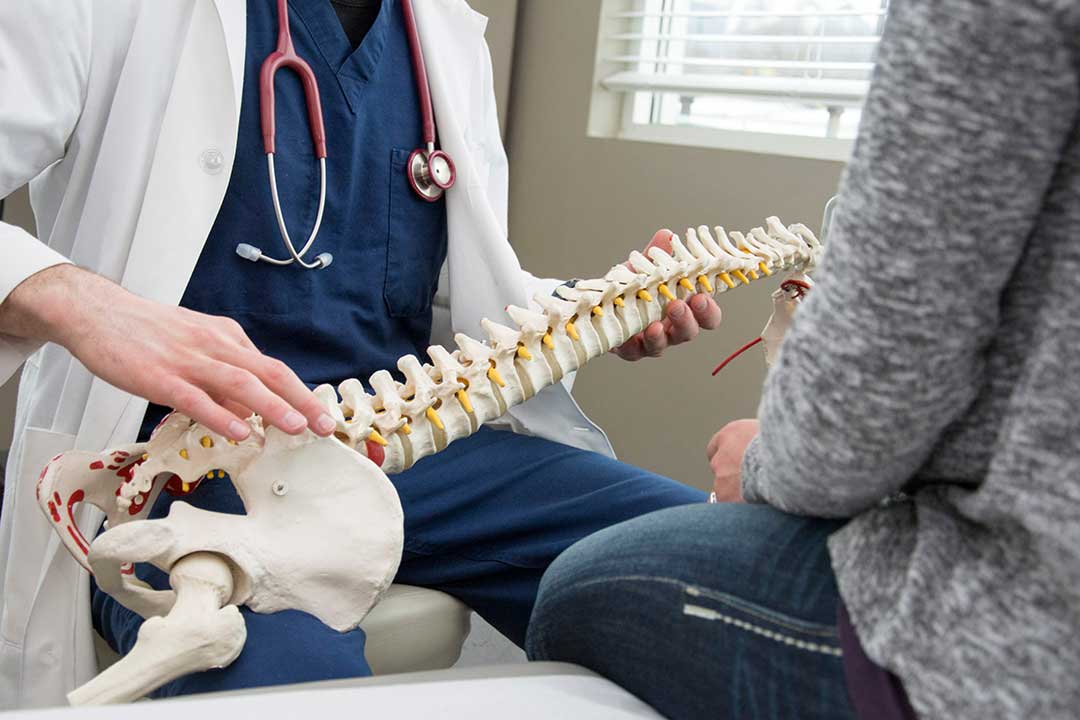
Pay attention to signs like frequent complaints of discomfort, changing handwriting, shifting in the seat often, or reluctance to carry a backpack.
What Common Mistakes Do Families Make?
Many families in Poughkeepsie find that:
- Computers, tablets, or homework are set up on beds or soft couches rather than tables
- Desk chairs are too high or too low for small children
- Backpacks are overloaded, especially on days with events or multiple activities
- Kids sit in one position for too long during study or screen time
- Lighting can be uneven or insufficient during darker fall and winter afternoons
Addressing these habits with small, consistent changes often leads to improvements in both comfort and study outcomes.
How Does Local Environment Play a Role?
Climate and older building layouts in Poughkeepsie can affect how families set up study areas. For example, radiators, window placements, or small bedrooms may limit where a desk can fit. In multi-story homes, children might carry heavy bags up and down stairs daily.
Thinking creatively—using kitchen tables, rearranging furniture, or conducting homework near windows in shared areas—can help overcome these challenges. Using area parks or school playgrounds as spaces for stretching and physical breaks also supports general wellbeing.
When Should Parents Seek Medical Advice?
Most postural aches in children resolve with better ergonomics and gentle at-home management. However, if pain is severe, causes limping, leads to lasting changes in activity, or is associated with numbness or tingling, parents should consult with a healthcare provider. Chronic symptoms are not typical and should be taken seriously.
