
 See Our Latest Article on HelloNation

Can Chiropractic Adjustments Influence Feelings of Anxiety?
There is growing curiosity about whether chiropractic care can help ease symptoms of anxiety. While traditional treatments like counseling and medication remain the primary approaches for managing anxiety, some local residents in Poughkeepsie, NY are exploring alternative options, including chiropractic adjustments, as part of a broader wellness strategy.
Scientific research connecting chiropractic care directly to anxiety relief is limited, but some individuals report feeling calmer or more balanced after treatment. The connection appears to stem more from the body’s response to physical interventions than from direct effects on mental health disorders.
What Is the Theory Behind Chiropractic and Anxiety?
The theory centers on how the spine, nervous system, and stress response interact. Chiropractic adjustments seek to improve spinal alignment and nervous system function. Since the nervous system plays a central role in mood regulation and the body’s stress response, some hypothesize that improving musculoskeletal health might have a beneficial indirect effect on emotional wellbeing, including anxiety.
For people experiencing anxiety symptoms such as muscle tension, headaches, or disrupted sleep, addressing these physical manifestations may contribute to a general sense of relaxation or comfort.
What Do Residents of Poughkeepsie Report?
Feedback from within the Poughkeepsie community varies. Some area residents who receive regular chiropractic care for neck or back pain mention they feel less stressed after adjustments. A few have shared observations of better sleep or a reduced sense of “nervous energy,” especially during Poughkeepsie’s colder months when people tend to spend more time indoors and may notice heightened physical tension or restlessness.
Others have not noticed changes in their anxiety levels, even though they value chiropractic care for managing musculoskeletal discomfort. This wide range of experiences highlights that individual results can differ.
How Could Reducing Physical Tension Contribute to Anxiety Relief?
Many anxiety symptoms are physical, like tight shoulders, jaw clenching, or headaches. Chiropractic adjustments may help by:
- Improving joint mobility and encouraging muscular relaxation
- Reducing tension in the neck, back, and shoulders—common areas where residents feel tightness, especially during long winters or periods of indoor work and study
- Supporting relaxation by stimulating the parasympathetic nervous system (the body’s “rest and digest” mode)
While these benefits do not address the mental origins of anxiety directly, a reduction in physical discomfort or muscle tension may help some local residents feel more at ease.
Are There Risks or Limitations to This Approach?
Chiropractic care is generally safe for most adults when performed by licensed professionals. However, there are some limits:
- Chiropractic adjustments are not a substitute for medical or psychological treatment of diagnosed anxiety disorders.
- Individuals with serious or complex mental health needs benefit most from support designed specifically for those challenges.
- If anxiety is causing severe disruption to daily life, mental health professionals remain the primary source for evidence-based care.
It’s also relevant to remember that everyone’s body and mental health are unique. What helps one person may not be effective for another.
How Do Local Lifestyle Factors in Poughkeepsie Influence Anxiety and Wellness Routines?
Life in Poughkeepsie presents particular seasonal and lifestyle influences. In winter, residents often face decreased sunlight, less physical activity, and more sedentary habits, which can add to both anxiety and musculoskeletal discomfort. Longer commutes or desk jobs may lead to more frequent episodes of muscle tension.
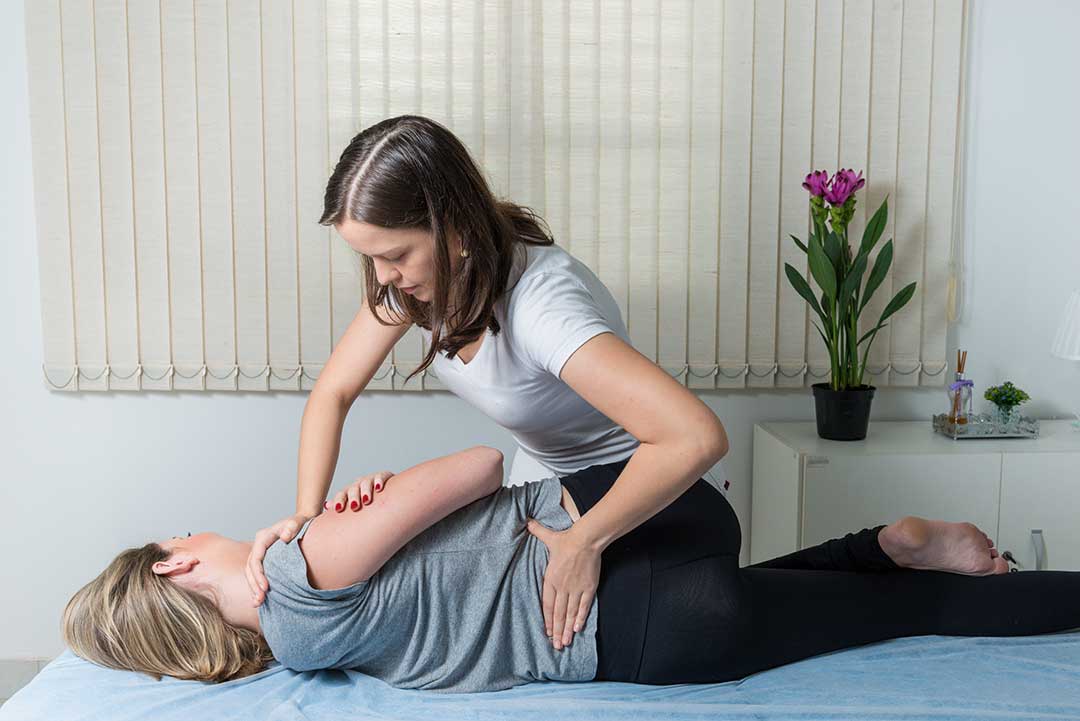
Some local residents pair chiropractic care with activities known for anxiolytic effects, such as spending time in area parks in spring, gentle stretching at home, or participating in community yoga classes. The combination of movement, body care, and social support may help address both the physical and emotional sides of anxiety.
What Questions Should Residents Consider Before Trying Chiropractic for Anxiety?
Anyone considering chiropractic care as part of an anxiety management plan should consider:
- Are physical symptoms, such as neck or back pain, contributing to overall discomfort?
- Is the goal to target anxiety directly, or to alleviate physical tension that may be compounding it?
- What other supports (like counseling, mindfulness, or stress-reducing hobbies) are already in place as part of a personal wellness routine?
Engaging in an open dialogue with healthcare providers helps ensure the safest and most effective approach, especially when mental and physical health concerns overlap.
Can Chiropractic Care Be Integrated With Other Wellness Practices?
Chiropractic care in Poughkeepsie is often just one element of a broader wellness routine. Residents sometimes find that addressing muscle tension and joint stiffness makes other calming practices more accessible, such as:
- Walking along the city’s trails
- Meditating in quiet home spaces
- Gentle exercise sessions that relieve stress and support mental clarity
There is no single solution for anxiety. Most people find that a combination of self-care strategies, healthy habits, and professional guidance delivers the best results for both mind and body.
