
 See Our Latest Article on HelloNation
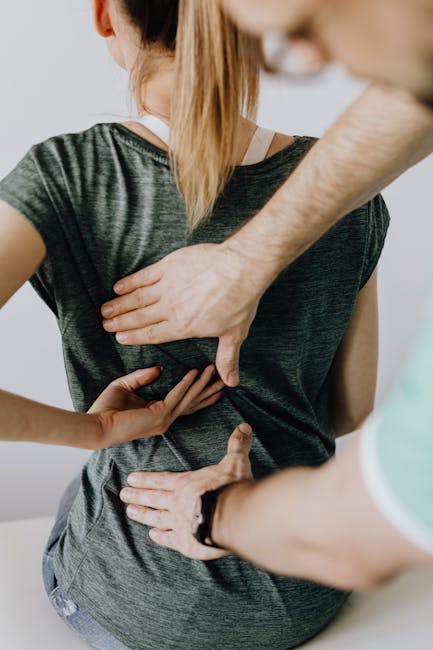
Back pain is one of the most common health complaints among adults in Poughkeepsie, New York, whether it’s due to long commutes, active weekends in the Hudson Valley, or desk-bound workdays at Marist College, Vassar, or local businesses. When back discomfort arises, one of the first decisions many people face is whether to reach for an ice pack or a heating pad. If you find yourself asking, “Should I use ice or heat for my back pain?”—you’re not alone. Here’s an expert guide tailored to the Poughkeepsie community to help you make an informed choice.
Understanding the Source of Your Back Pain
Before discussing ice vs. heat, it’s crucial to understand what’s causing your back pain.
- Is it a sudden injury from hiking at Walkway Over the Hudson or a fall on the ice during a Hudson Valley winter?
- Or is it a chronic ache linked to long hours sitting at your office on Main Street or the home office?
Identifying the root cause—acute injury, strain, tension, or chronic condition—can help determine the most effective therapy.
When to Use Ice for Back Pain
Ice therapy, or cryotherapy, is typically most effective immediately following a new injury or trauma.
- If you’ve strained your back lifting heavy bags at the Poughkeepsie Galleria or twisted awkwardly gardening in the spring, an ice pack can help minimize inflammation and reduce pain.
- Cold therapy constricts blood vessels, reducing blood flow—and therefore swelling, inflammation, and bruising.
Recommended Situations for Ice:
- Acute injuries (within the first 24-72 hours)
- Recent strains or sprains
- Swelling or inflammation is present
How to Apply Ice Safely:
- Wrap a cold pack or bag of frozen peas in a thin towel (never apply ice directly to skin).
- Apply to the affected area for 15-20 minutes, repeating every 2-3 hours while awake.
- Avoid using ice for more than 20 minutes at a time to prevent skin or nerve damage.
Cold therapy is especially helpful after winter slips on icy sidewalks or after strenuous activities like moving firewood—a common task in our Hudson Valley winters.
When to Use Heat for Back Pain
Unlike ice, heat therapy (thermotherapy) is ideal for chronic pain, muscle tension, or stiffness. Residents of Poughkeepsie often experience tense muscles from shoveling snow, spending hours shopping in downtown boutiques, or working on computers during the colder months.
Heat therapy works by:
- Increasing blood flow to the area, which encourages healing
- Relaxing and loosening tight muscles
- Reducing joint stiffness
Recommended Situations for Heat:
- Chronic muscle pain or stiffness (lasts longer than a few days)
- Muscle spasms
- Before physical activities (to warm up stiff muscles)
How to Apply Heat Effectively:
- Use a heating pad, hot water bottle, or warm towel—not scalding heat.
- Apply for 15-20 minutes at a time, several times a day.
- Never use heat if you have swelling or if the area feels warm to the touch already.
For many locals, applying a warm compress after a cold day out at the Poughkeepsie Farmers Market or following an evening game at the Bardavon Opera House can ease persistent back aches.
Common Questions Poughkeepsie Residents Ask About Ice and Heat
1. What if I’m not sure which one to use?
If you’re unsure, a good rule of thumb is to start with ice for sudden, swollen injuries and switch to heat after the initial inflammation has subsided. For long-standing or ongoing discomfort, heat is often preferred.
2. Can I use both ice and heat?
Alternating between ice and heat—sometimes called “contrast therapy”—can be beneficial for certain types of pain. For instance, ice for the first 48 hours post-injury, then switching to heat as stiffness or tightness persists.
3. Are there times I should avoid both therapies?
Yes. Avoid heat if there is swelling or any open wound. Likewise, do not use ice if you have conditions that impair circulation, like Raynaud’s disease. If your pain is severe, persistent, or accompanied by symptoms like fever, numbness, or loss of bladder/bowel control, seek medical attention immediately.
Ice and Heat in the Context of Poughkeepsie Lifestyle
Whether you’re taking in the autumn foliage at the Locust Grove Estate, training for the Dutchess County Classic, or simply enjoying a relaxing evening at home, your approach to back pain should fit seamlessly with your lifestyle. Here’s how locals often integrate ice and heat into their routines:
- After Outdoor Activities: Applying ice after a strenuous hike or winter sports outing can nip swelling in the bud.
- Post-Commute Relief: Use a heating pad after a long day traveling the Metro-North line, which can help relax muscles tightened by sitting.
- At-Home Self-Care: For busy parents or professionals, quick access to heat or ice can be built into nightly routines, supporting better sleep and recovery.
When to See a Professional
If back pain disrupts your daily life—whether you’re unable to walk Mill Street comfortably, enjoy the Mid-Hudson Children’s Museum with your kids, or carry groceries from the Poughkeepsie Plaza—it’s time to consult with a chiropractor or healthcare provider. Professional guidance is especially important if:
- Pain persists beyond two weeks
- It’s accompanied by numbness, tingling, or weakness
- You experience severe pain after a fall or accident
Remember, self-care with ice or heat can be an important first step, but hands-on assessment and personalized therapy may be needed for full recovery.
Conclusion
For residents of Poughkeepsie, knowing when to use ice or heat for back pain can make all the difference in achieving quick relief and preventing further injury.
- Ice is best for new injuries and swelling.
- Heat is best for chronic pain and muscle tension.
Always listen to your body, follow safe application techniques, and consult a local back care expert if your discomfort lingers or worsens. With the right approach, you can get back to enjoying everything the Hudson Valley has to offer, from nature walks to neighborhood festivals—pain-free.
