
 See Our Latest Article on HelloNation
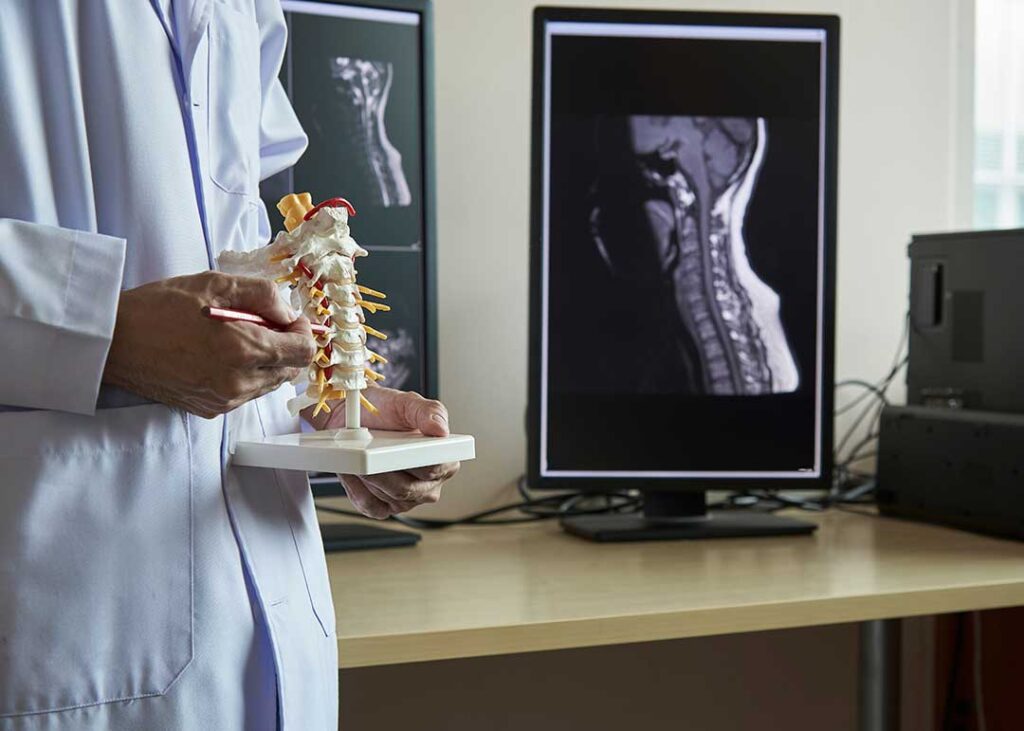
For residents of Poughkeepsie, NY, a chiropractic wellness plan may sound like a schedule of periodic spinal adjustments intended to support comfort, movement, and physical function. The potential long-term value is usually found not in a promise to prevent every injury or illness, but in helping a person manage recurring musculoskeletal problems while building sustainable habits.
A wellness plan should be based on an individual’s symptoms, health history, goals, and response to care. It should also be reviewed over time rather than continued automatically.
What is a chiropractic wellness plan?
A chiropractic wellness plan is an ongoing approach that may combine spinal manipulation or mobilization with exercise guidance, mobility work, posture education, activity changes, and self-management strategies.
The word “wellness” does not mean that chiropractic care can correct every health problem or guarantee that pain will never return. In evidence-based practice, the purpose is generally more specific: to support function, address recurring back or neck discomfort, and help a person remain active when the approach is appropriate.
Research supports spinal manipulation as one nondrug option for some types of acute, subacute, and chronic low-back pain. Benefits are generally modest and may be similar to those of other recommended treatments. ([nccih.nih.gov](https://www.nccih.nih.gov/health/spinal-manipulation-what-you-need-to-know?utm_source=openai))
Can regular chiropractic care reduce recurring back pain?
It may help some people experience less pain and maintain better function, particularly when care is combined with active self-management.
Long-term improvement is more likely to involve several elements:
- Regular movement rather than prolonged rest
- Strengthening of the trunk, hips, or upper back when appropriate
- Better tolerance for work, household, and recreational activities
- Attention to lifting technique and repetitive positions
- A plan for responding early when symptoms begin to return
For example, someone whose back becomes sore after long periods of sitting, seasonal yard work, snow removal, or repeated lifting may benefit from learning how to pace those activities and restore mobility afterward. An adjustment alone does not replace conditioning or changes in activity.
Evidence reviews have found small improvements in pain and function lasting from one month to less than a year in some studies of spinal manipulation for low-back pain. The strength of evidence varies, and results are not uniform for every person. ([nccih.nih.gov](https://www.nccih.nih.gov/health/spinal-manipulation-what-you-need-to-know?utm_source=openai))
What are the possible long-term benefits?
The most realistic benefits relate to function and self-management rather than a permanent “alignment” correction.
Better movement confidence
Pain can cause people to avoid bending, walking, exercising, or lifting. Over time, that avoidance may reduce strength and increase concern about ordinary movement. A gradual plan that combines hands-on care with appropriate activity may help a person feel more capable of moving safely.
Earlier recognition of recurring problems
Regularly reviewing symptoms can help identify patterns. A person may notice that discomfort appears after extended driving, desk work, home repairs, poor sleep, or abrupt increases in exercise. Recognizing those patterns can support earlier, less disruptive adjustments to daily routines.
Reduced reliance on passive care
A well-designed plan should not make a patient dependent on appointments for every flare-up. Education, home exercises, walking, mobility routines, and practical changes should become increasingly useful outside the treatment setting.
Support for physical function
The meaningful measure of progress may be the ability to sleep, walk, work, exercise, care for family members, or complete household tasks with less limitation. Pain scores matter, but function often provides a clearer picture of whether a plan is helping.
A nondrug option for selected pain conditions
For people who cannot or prefer not to rely solely on medication, spinal manipulation is one of several nondrug approaches recognized in clinical guidance for certain forms of low-back pain. Other options may include exercise, physical therapy, massage, mindfulness-based approaches, or behavioral treatment, depending on the situation. ([nccih.nih.gov](https://www.nccih.nih.gov/health/low-back-pain-and-complementary-health-approaches-what-you-need-to-know?utm_source=openai))
Does a wellness plan prevent future injuries?
Not reliably. There is not strong evidence that routine adjustments prevent all future injuries, eliminate age-related changes, or protect against every episode of back or neck pain.
Injury risk is influenced by many factors, including muscle strength, sleep, workload, balance, previous injuries, sudden increases in activity, and general health. A wellness plan may contribute to prevention indirectly by encouraging movement, improving body awareness, and addressing modifiable habits. That is different from claiming that spinal adjustments alone prevent injury.
A practical prevention plan may include:
- Increasing activity gradually
- Warming up before demanding work or exercise
- Using safer lifting and carrying strategies
- Taking movement breaks during prolonged sitting
- Maintaining leg, hip, trunk, and upper-body strength
- Avoiding long periods of bed rest after uncomplicated back pain

How often should someone receive care?
There is no universally correct schedule. Frequency should depend on the condition being treated, progress, flare-up patterns, other health issues, and the person’s goals.
A reasonable plan includes measurable review points. Useful questions include:
- Is pain becoming less frequent or less intense?
- Is daily function improving?
- Can normal activities be performed with fewer restrictions?
- Is the person gaining independence through exercise and self-care?
- Are benefits lasting between visits?
- Are there new symptoms that require a different evaluation?
If there is no meaningful improvement after a reasonable trial, the plan should be reconsidered. More frequent or indefinite visits are not automatically better.
Is chiropractic care appropriate for everyone?
No. A health history and physical assessment are important before treatment, especially for people with osteoporosis, inflammatory disease, cancer, recent trauma, neurological symptoms, infection risk, or conditions affecting blood clotting.
Urgent medical evaluation may be needed for symptoms such as:
- New loss of bowel or bladder control
- Progressive weakness or numbness
- Numbness in the groin or inner thighs
- Severe pain after a fall or collision
- Fever, unexplained weight loss, or a history of cancer with new severe pain
- Sudden severe headache, dizziness, trouble speaking, or vision changes
Neck manipulation deserves particular discussion. Rare but serious neck artery injuries have been reported, and evidence remains debated about whether manipulation causes these events. People should be informed of potential risks and alternatives before treatment. ([nccih.nih.gov](https://www.nccih.nih.gov/health/spinal-manipulation-what-you-need-to-know?utm_source=openai))
What should residents look for in a sensible plan?
A responsible wellness plan should explain what problem is being addressed, what improvement would look like, how progress will be measured, and what the person can do independently.
It should not rely on unsupported claims that adjustments boost immunity, cure unrelated medical conditions, or permanently place the spine into a fixed position. It should also allow coordination with primary care, physical therapy, or other clinicians when symptoms fall outside chiropractic care.
For local residents managing variable seasonal routines, the most useful plan may be one that accounts for changes in walking, outdoor work, commuting, winter conditions, and household demands. The long-term goal is not simply repeated treatment. It is maintaining movement, recognizing warning signs, and having practical tools for managing ordinary physical stress.
